

Water softener vs reverse osmosis: which do you actually need?
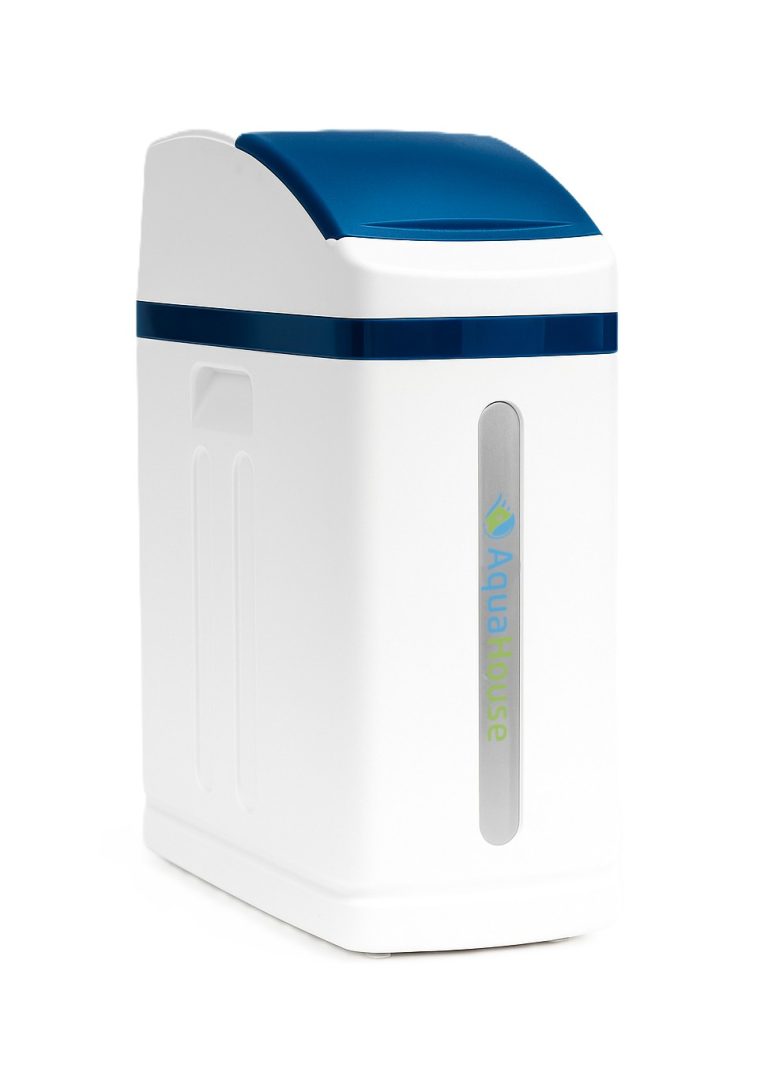
Water softeners and reverse osmosis systems are often mentioned in the same breath, but they solve different problems. A softener looks after your home. A reverse osmosis (RO) system looks after your glass. Working out which you need starts with what is bothering you.
The short answer
- Limescale on taps, kettles and shower screens? You want a softener.
- Concerned about what is in your drinking water, or unhappy with the taste? You want reverse osmosis.
- Both? Plenty of homes fit both, because they do different jobs.
What a water softener does
A softener is plumbed in near where the mains enters your home, and it treats all the water that passes through it. Inside is a bed of resin that swaps the calcium and magnesium in hard water for sodium. Those two minerals are what form limescale, so taking them out protects pipes, boilers and appliances. Every so often the softener cleans itself using salt, which is the only regular upkeep.
Softening does not purify water. Anything else in the supply passes straight through.
What reverse osmosis does
An RO system usually sits under the kitchen sink and feeds a small separate tap. It pushes water through a very fine membrane, with filters before and after it, and removes most dissolved solids along with a wide range of other contaminants. Because it works slowly, it stores the finished water in a small tank.
RO only treats the water going to that one tap. It will not stop limescale anywhere else in the house.
Side by side
| Water softener | Reverse osmosis | |
|---|---|---|
| Main job | Stops limescale | Purifies drinking water |
| Treats | The whole house | Usually one tap |
| Where it goes | Near the mains inlet | Usually under the sink |
| Removes hardness | Yes | Yes, at that tap |
| Removes other contaminants | No | Yes, most |
| Regular upkeep | Topping up salt | Changing filters and the membrane |
Things to keep in mind
Softened water contains more sodium than the water that went in. For that reason a mains drinking tap is normally left unsoftened, and softened water is not recommended for making up baby formula. If you are on a low sodium diet, ask your GP.
RO systems send some water to drain as part of how they work, and they need enough mains pressure to run well. If your pressure is low, a pump may be needed.
Using both
If you fit both, the softener protects the house and the RO system gives you drinking water at the kitchen tap. Softened water going into an RO system can also be kinder to the membrane.
If you are not sure which suits your home, call us on 0121 557 5532 and we will talk it through. You can also browse our reverse osmosis systems.